

Today, women in Vancouver have access to education at all levels—from elementary schools to higher education institutions and specialized courses. Girls and women gain knowledge, develop professional skills, and prepare for careers across diverse fields, opportunities that were scarce in the past.
Modern programs are designed to meet the demands of contemporary life. Academic training is paired with practical skills, mentorship support, and engagement in community initiatives. Students gain knowledge and resources that foster personal growth and professional development. Women’s education has become a driving force for the city, shaping a new generation of leaders, researchers, and professionals who actively contribute to society and build promising futures for themselves. More on vancouver1.one.
Historical Development
The first schools for girls in Vancouver appeared in the early 20th century. They provided basic education in grammar, mathematics, arts, and home management, giving girls systematic knowledge that was previously rare. Gradually, private colleges emerged, offering preparation for university studies in sciences, literature, and foreign languages. One notable example is Crofton House, which focused from its early years on academic excellence and leadership development for girls.

Women’s movements and the push for emancipation significantly expanded access to education. Activists campaigned for girls to receive the same educational opportunities as boys, and their efforts yielded tangible results. Many new schools opened, and numerous programs were created, transforming education for women from a privilege into a real opportunity.
Universities and community organizations played a key role in establishing this system. The University of British Columbia (UBC) introduced women-focused courses, while local organizations provided scholarships and mentorship programs. These initiatives laid the foundation for ongoing growth in women’s education and professional advancement.
School and University Education
Vancouver’s private schools for girls have long-standing traditions and a track record of university preparation. Crofton House School is renowned for its high academic standards and active student participation in scientific and artistic projects. Graduates often go on to leading universities in Canada and the U.S., including UBC and Harvard. Another example is St. George’s School for Girls, which emphasizes leadership development and social responsibility, offering volunteer programs and international study trips.

Meanwhile, UBC and other local universities have developed specialized programs for women. The Faculty of Science and Engineering actively involves female students in research laboratories, while the Sauder School of Business hosts seminars tailored for women entrepreneurs. Mentorship programs like Women in Science and Engineering (WISE) connect students with experienced professors and professionals.
Education is accessible to both local and international students. Orientation programs for newcomers help with language acquisition, academic adaptation, and social integration. For instance, the International Student Orientation provides guidance on course selection, housing, and community involvement.
Hybrid and online learning have become integral parts of education. UBC’s online courses and Emily Carr University’s remote seminars allow students to balance studies with work or other responsibilities. These formats expand access, making education more inclusive while encouraging participation in international projects and collaborations.
Educational Programs
High-quality academic and specialized programs equip women with the knowledge and skills needed for professional growth. Women and Gender Studies is a particularly significant program, offering deep insights into social structures, the history of equal rights movements, and contemporary gender issues. Courses on women’s health cover medical, psychological, and social aspects, while leadership and law courses prepare students for active roles in professional and civic life.
Many programs integrate gender studies with STEM, business, and social sciences. For example, students can combine engineering or computer science studies with analyses of gender issues in science and technology. This approach develops critical thinking and practical application skills. Collaboration with medical institutions, NGOs, and local communities adds real-world experience. Students participate in hospital internships, volunteer programs, and research projects. The Women in Health Leadership program at UBC combines lectures, hands-on training, and mentorship, helping students understand healthcare systems from a leadership perspective. Other initiatives involve community organizations where students analyze social challenges and design practical solutions for local communities.
Support for Education
Organizations like the Vancouver Women’s Education Fund play a crucial role in supporting women’s education. They provide scholarships and grants covering tuition, books, and housing, with special attention to Indigenous and newcomer students who face additional language, cultural, and financial barriers. Such initiatives help students integrate into academic life and develop their talents on equal footing with peers.
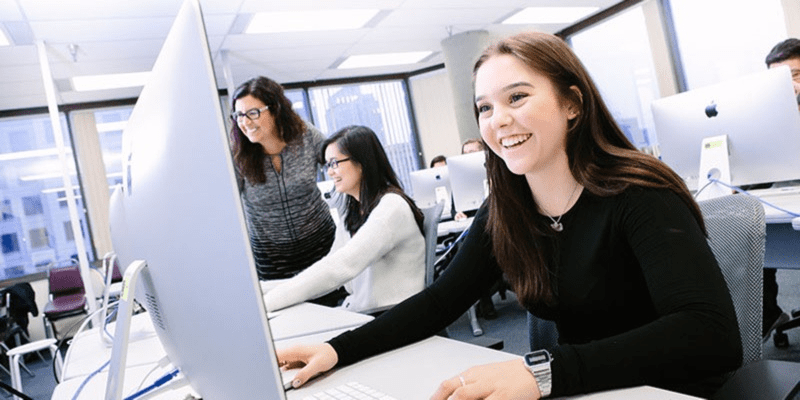
Financial support often comes with mentorship and professional skills development. Mentorship programs connect students with experienced professionals, helping them plan careers and navigate complex work environments. Career workshops and leadership training build practical skills in project management, public speaking, and teamwork. Engagement in real-world projects with local organizations and NGOs allows students to apply knowledge and gain valuable experience.
Yet support extends beyond finances. Gender imbalances, particularly in STEM fields, remain a challenge. Women are less likely to pursue engineering, programming, or physical sciences, limiting their opportunities in these areas. Inclusivity is another ongoing concern, as some programs are not fully adapted for students with diverse needs, and minority support in scientific and professional fields remains limited. Consequently, many talented women miss opportunities to reach their full potential.
Sources: