

The Vancouver Academy of Music (VAM) has been nurturing talented musicians for over half a century. It welcomes children, teens, and adults who are passionate about classical music, jazz, and contemporary styles. Students receive guidance in playing instruments, improving their vocal skills, and developing musical sensitivity and creativity. From there, they perform in concerts and participate in festivals. More on vancouver1.one.
History of the Academy
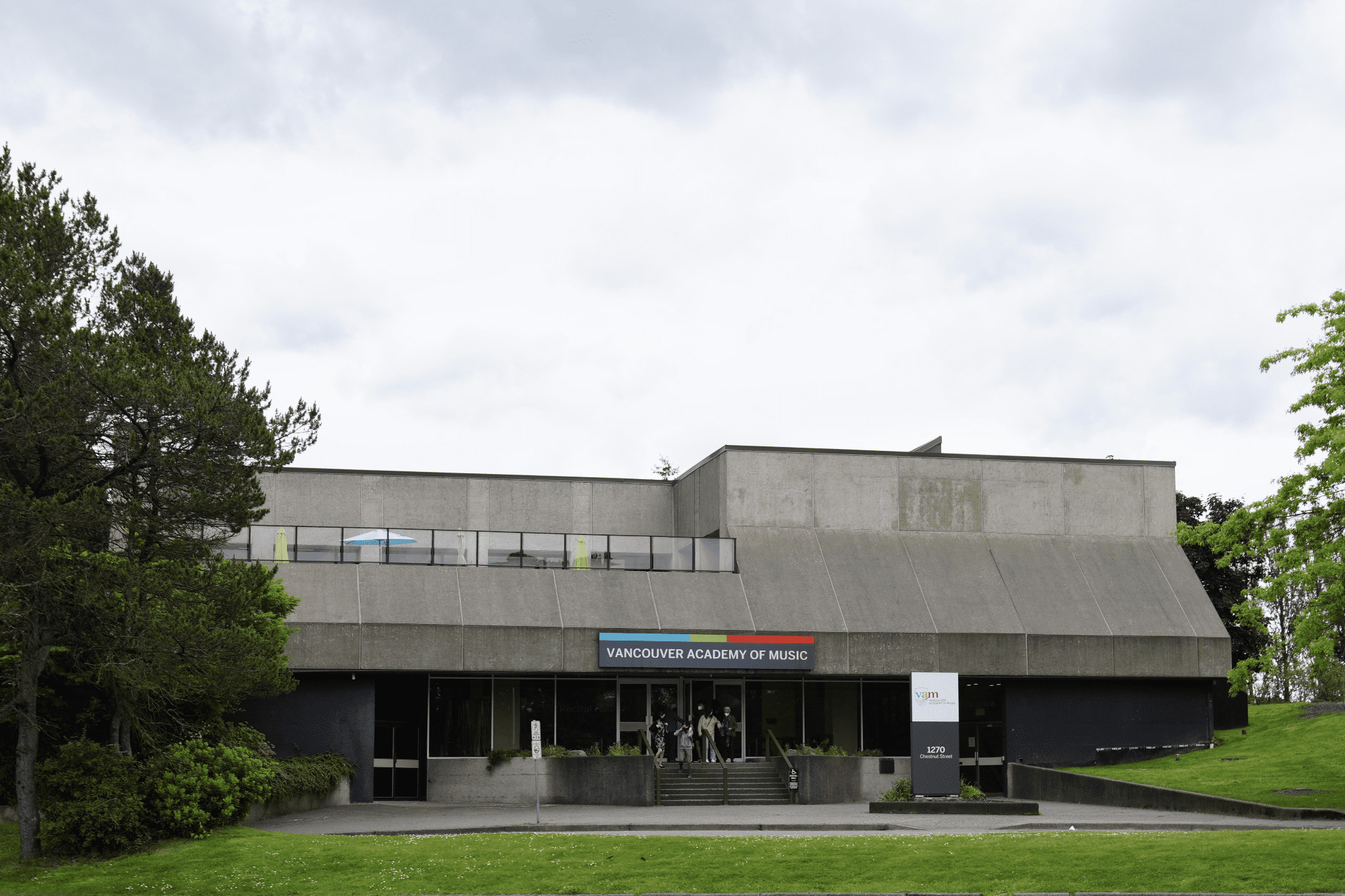
Founded in 1969, the Vancouver Academy of Music is located in the vibrant Vanier Park area, near the waterfront, providing a unique atmosphere for learning. Initially, it was a small school with just a few instructors teaching basic instrumental and vocal skills. The academy quickly gained popularity, and by the early 1970s, students were coming from all across British Columbia. Over the years, programs expanded, new courses were introduced, and renowned musicians were invited to lead masterclasses.
Today, VAM is recognized as one of Vancouver’s leading music institutions. The faculty offers solid professional training while creating numerous opportunities for student growth. Students perform in concerts, participate in festivals, and engage in diverse musical projects.
Instructors also focus on cultivating musical culture, creative thinking, and a deeper appreciation of the arts, making the learning experience inspiring and immersing students in a genuine creative environment.
VAM training programs and opportunities
VAM offers a wide range of programs to help students develop their musical abilities. Here’s what makes them special:
Diverse Programs
Students can study classical instruments, vocal performance, jazz, and composition. Both individual lessons and group courses are available, allowing students to tailor their learning to their interests and needs.
Learning for All Ages
Programs cater to different ages and skill levels, so everyone can find a course that suits them.
Collaboration with Professionals
Students work closely with professional musicians and instructors, gaining invaluable experience and learning at a high level.
Performance and Masterclass Opportunities
Students participate in concerts, competitions, and masterclasses, gaining stage experience and networking with other musicians. For example, in 2024, VAM hosted a series of chamber music masterclasses featuring performers from Europe and the U.S.
Inspiring Location
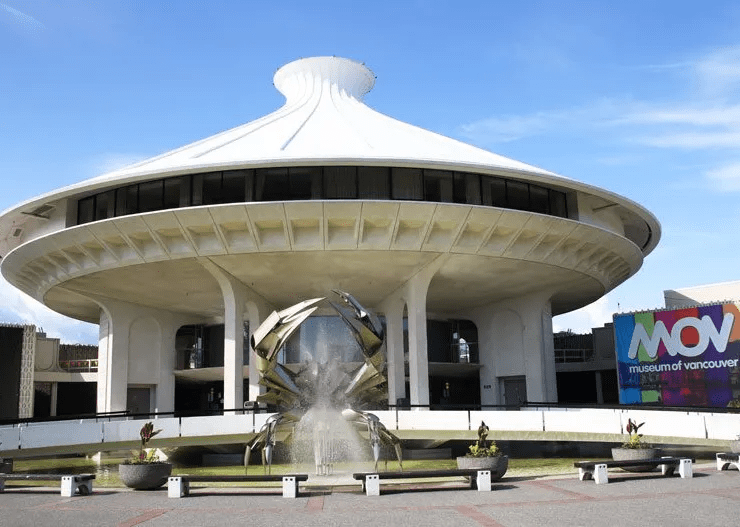
Located in Vanier Park, near the Museum of Vancouver and the Maritime Museum, the academy is at the heart of a culturally rich area, full of events and inspiration.
Music Recording
Students can also explore modern music technology, recording and arranging compositions directly on campus.
Faculty at the Vancouver Academy of Music
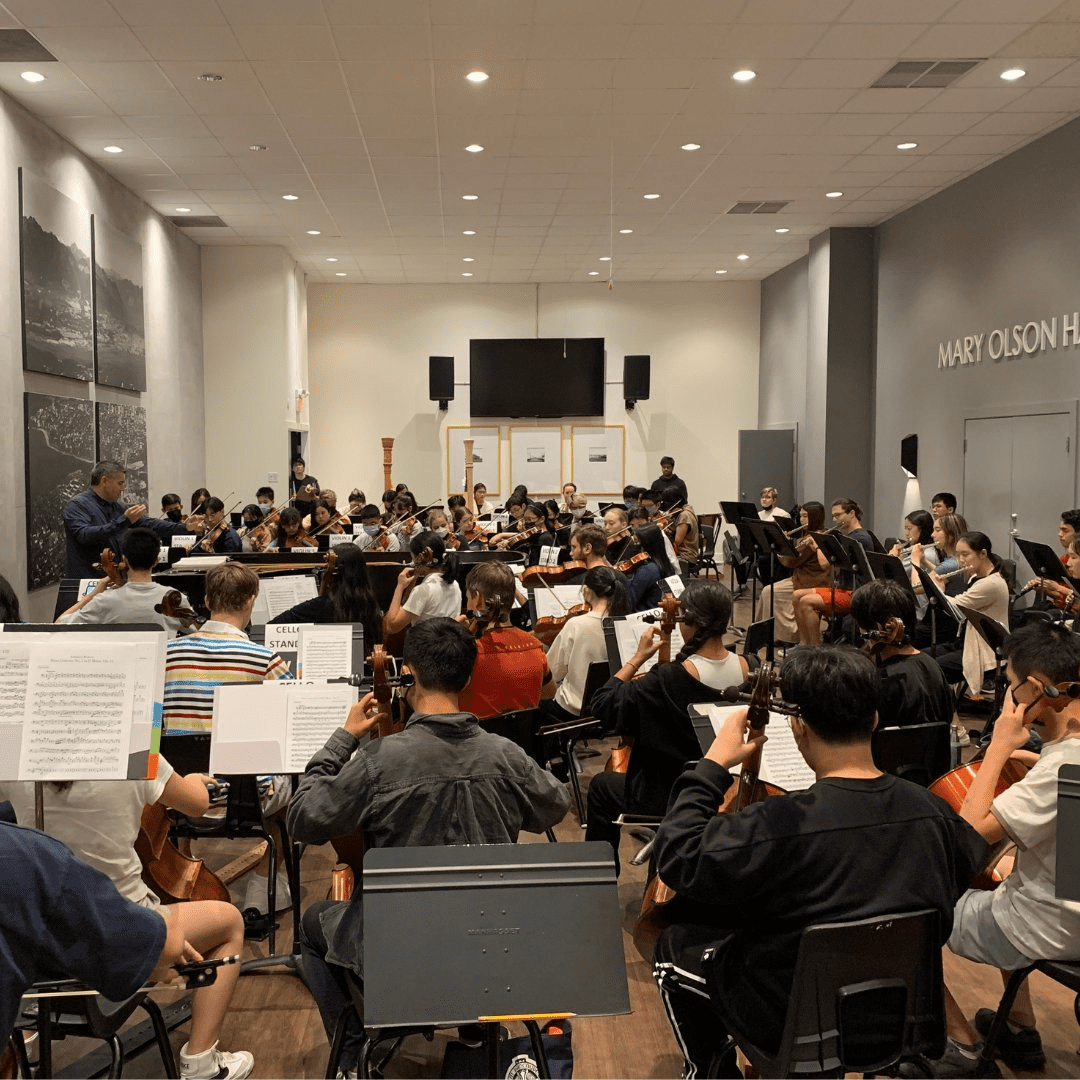
VAM instructors are highly qualified professionals from around the world. Many actively perform internationally and collaborate with leading orchestras and music institutions. Notable faculty include:
- Tonya Popoff – Canadian violist and principal of the Vancouver Opera, performing worldwide with various chamber ensembles. Founder of the Microcosmos String Quartet.
- Eva Lakirovich – Cellist combining active performance with teaching. Educated at the University of British Columbia and the University of Toronto, trained under renowned instructors.
- Frederic Robert – Vocal teacher with over 20 years of experience, working with artists on platforms like Netflix and Spotify, and on Broadway stages.
- Judith Fraser – Cellist trained at the Royal Academy of Music in London, former principal of the London Ballet, member of the Vancouver Symphony Orchestra, and founder of the Vancouver Cello Club.
- Henry Shepard – Principal cellist of the Vancouver Symphony Orchestra since 2020, performing as a soloist in each of his first three seasons.
Range of Instruction
VAM faculty specialize in a wide array of instruments and musical directions:
- Strings: violin, viola, cello, double bass
- Winds: flute, clarinet, bassoon, French horn
- Keyboards: piano, organ
- Plucked strings: guitar
- Vocal: classical, jazz, pop
- Music theory and composition
Teachers create a supportive learning environment, tailoring lessons to each student’s needs and abilities. This ensures students can develop their skills effectively and achieve strong results.
Concerts, Festivals, and Exhibitions
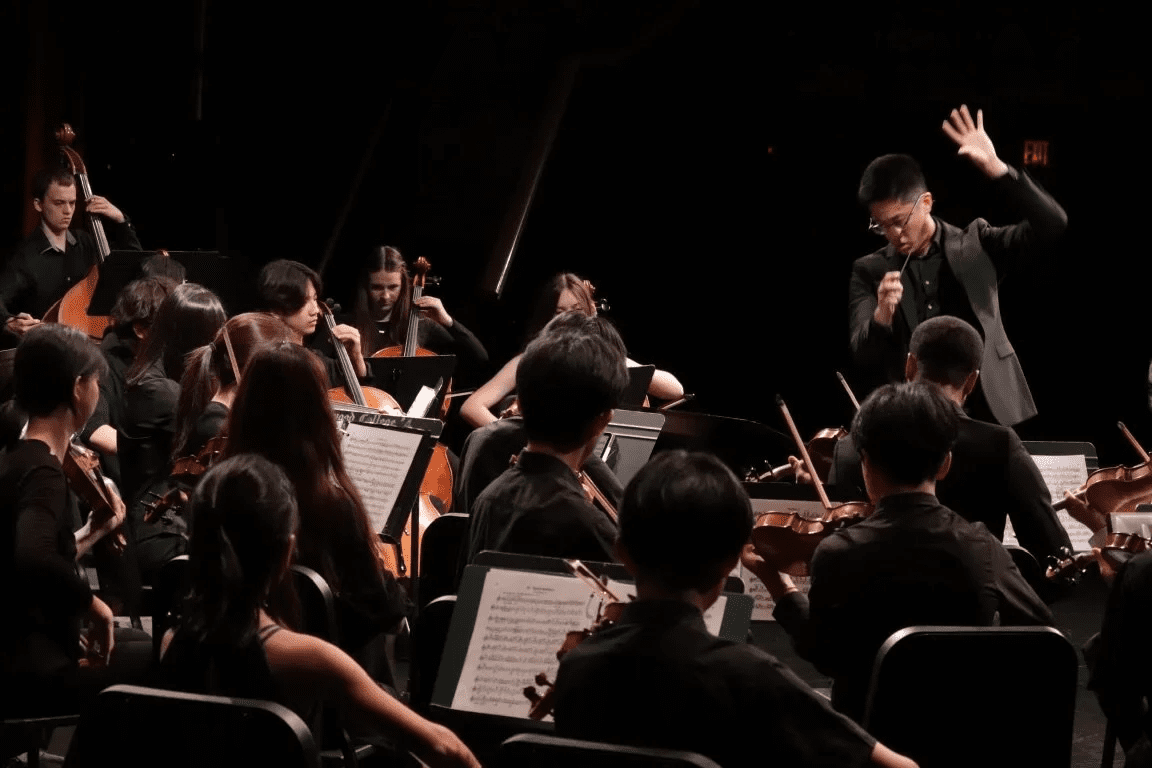
The academy hosts four main concert series each year. Students perform at the Orpheum Theatre, one of Vancouver’s most prestigious venues. For instance, the 2025 program included:
- Spring Concert – Works by Mozart, Shostakovich, and jazz pieces by senior students.
- Summer “Sea to Sky Chamberfest” – Students performed chamber music alongside instructors.
- Fall Chamber Music Concert – Ensembles played classical and contemporary works, with newcomers debuting on a smaller stage.
- Winter Solo Evening – Each student presented their repertoire to an audience and faculty.
Opportunities for Students to Shine
VAM students actively participate in a range of performances, from solo recitals to orchestral programs. The academy provides a platform for young musicians to hone their skills, building confidence and stage presence along the way.
Collaborations and Future Prospects
VAM partners with various musical organizations, opening additional professional development opportunities for students. The academy supports orchestral training programs funded by foundations like the Edith Lando Charitable Foundation and the R&J Stern Family Foundation.
Besides regular concerts, VAM frequently hosts themed evenings and spontaneous improvisation sessions, allowing students to experiment and experience life as true performers.
How to Enroll at VAM?
Admission requires an audition:
- Submit an application and choose a program: classical instruments, vocal, jazz, or composition.
- Attend an individual audition to demonstrate instrument or vocal skills before a faculty member.
- Determine the appropriate level and course: students are assigned to individual or group lessons based on their experience.
Once admitted, students can participate in concerts and festivals, starting with smaller performances and gradually moving to solo and orchestral programs.