

Rebecca Marino, a Canadian tennis player, showed immense promise early in her career after turning professional in 2008. She was a multiple winner of ITF (International Tennis Federation) tournaments, and in July 2011, she broke into the WTA’s top 40 best players globally. However, in 2013, she surprisingly decided to take a break from competition. Her return in 2018 was nothing short of triumphant: Marino won the $15,000 ITF tournament in Antalya, Turkey, on her first attempt, without dropping a single set. Early in her career, she was recognized as Canada’s top female player, receiving the title from Tennis Canada in both 2010 and 2011. More on vancouver1.one.
Marino’s Family: Tracing the Athletic Genes
Rebecca Marino was born in Toronto to Joe Marino, a construction entrepreneur, and Catherine Hungerford. When she was just two years old, the family relocated to Vancouver. Her athletic talent was no coincidence: her uncle, George Hungerford, won gold for Canada in rowing at the 1964 Olympic Games, and her younger brother, Steven, continued the family tradition by playing for the University of California, Berkeley’s team.
She picked up a tennis racket at age 10, and by 14, she became the youngest champion of the prestigious Stanley Park Open in Vancouver. Driven to hone her skills, Marino trained in Davos, Switzerland, from 2008 to 2009 under the experienced German coach Nina Nittinger. Soon after, she moved to Montreal to continue her preparation at the National Tennis Centre, solidifying her status as one of Canada’s most promising players.
The First Chapter of Her Career
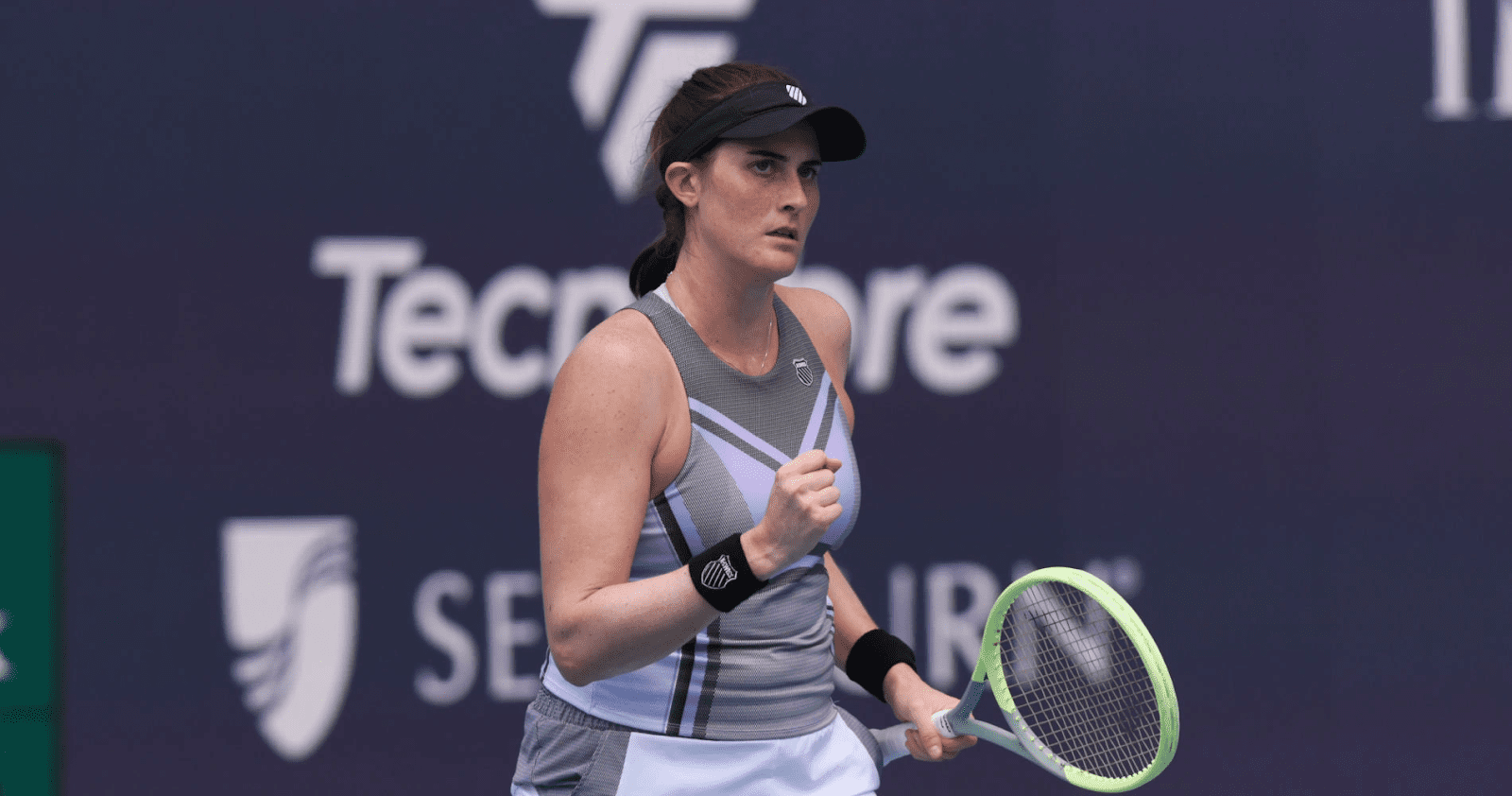
Rebecca Marino first dipped her toes into professional competition in 2005, debuting at the $25,000 Vancouver Open. She failed to qualify then, as she did the following year at the Rogers Cup, where she received a wild card entry from the organizers.
However, by 2008, Marino began making a name for herself. In August, she clinched her first ITF singles title in Trecastagni, Italy ($10,000), and triumphed twice in doubles tournaments—in July in Evansville, Indiana, and in October in Southlake, Texas. Her breakthrough on the WTA (Women’s Tennis Association) level came at the Challenge Bell in November 2008. After successfully qualifying, she won her first main-draw match, defeating the experienced Jill Craybas, but lost to Galina Voskoboeva in the second round.
The following year at the same tournament, Marino reaffirmed her ambition by again reaching the second round. She beat the talented Lauren Albanese but ultimately lost to Julia Görges. This period marked a crucial phase in her career, setting the stage for future international success.
Modern Achievements and Milestones
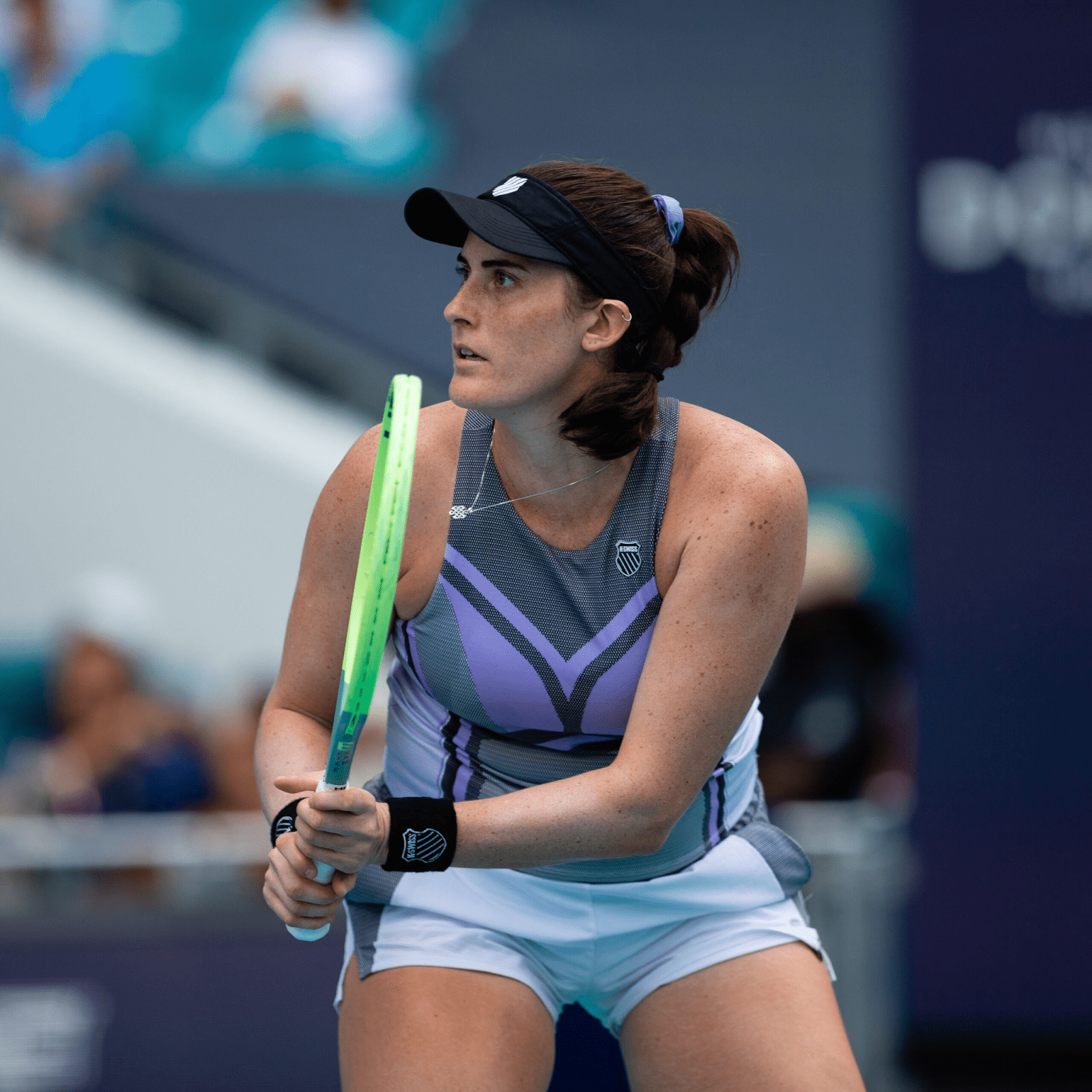
At the US Open, Rebecca Marino took a significant step, reaching the third round of a Grand Slam tournament for the first time. She confidently defeated Magdalena Fręch and Daria Snigur, but her run ended after facing Zhang Shuai. Despite being ranked 182nd, Marino successfully qualified for the Australian Open, her seventh appearance there. In the first round, she faced the fifth seed, Jessica Pegula, who ultimately eliminated her from the tournament.
However, true success arrived in February when Marino, seeded sixth, won the W100 Guanajuato Open, dropping only one set throughout the entire tournament. She dominated Jule Niemeier in the final. The summer brought significant achievements as well. In June, the tennis player qualified for the WTA 250 Nottingham Open and defeated Viktorija Golubic in the first round, only to lose in the next match to Katie Boulter, who went on to win the tournament. A week later, Rebecca captured her first grass-court title, winning the W100 Ilkley Trophy after a three-set victory over Jessika Ponchet. The autumn proved equally successful. In October, Marino became champion of the W75 Calgary National Bank Challenger, dropping just one set during the competition. She overcame Cadence Brace in the semi-finals and Anna Rogers in the final. Her doubles success was also immediate: partnering with Carmen Corley, she won her second WTA 125 title at the Abierto Tampico, defeating Alina Korneeva and Polina Kudermetova in the final. The season culminated with the biggest title of Marino’s career at the Dow Tennis Classic WTA 125 in Midland. Her performance was near-flawless, as she overcame serious opponents including Robin Anderson, Louisa Chirico, Alina Korneeva, and Lesia Tsurenko. In the final, she confidently defeated the third seed, Alycia Parks.
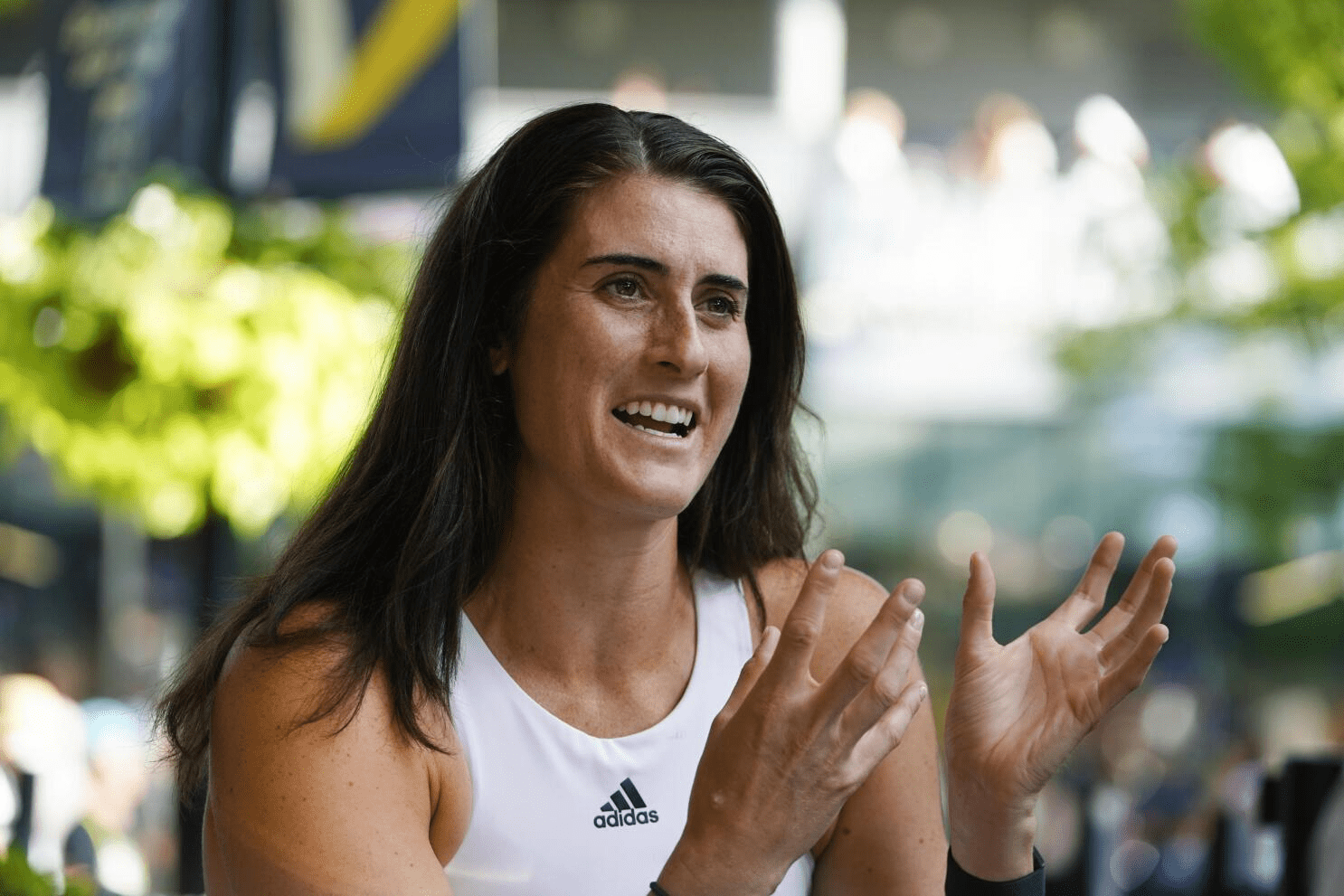
Marino kicked off the 2025 season by competing at the Auckland Classic, where she beat the fourth seed, Lulu Sun, in the first round. However, she couldn’t overcome Bernarda Pera in the second match. At the Australian Open, she secured a main draw spot based on her ranking, but her run ended in the very first round after a loss to the 22nd seed, Katie Boulter. New challenges lie ahead, and we wait to see how her season unfolds.
The Weight of Social Media on Rebecca’s Career
Remember those childhood moments when you stood on a basketball court, a dance floor, or perhaps a soccer field in your school years, dreaming of one day becoming a professional? Rebecca was no different. Her childhood imagination transported her to Wimbledon, Fenway Park, or the greens of Augusta, where her shot or serve would decide the game, and crowds would hold their breath watching her alone. Now, imagine actually achieving all of that, as Marino did. Years of gruelling training, endless hours dedicated to perfecting her serve and strokes. And suddenly, you are among the world’s elite. But instead of recognition and admiration, you are met with a wave of criticism, abuse, and negativity from strangers, ultimately forcing you to abandon the beloved career you worked so hard for.
At age 22, Rebecca Marino, a Canadian tennis player, had reached a career-high ranking of 38th in the WTA world rankings. In her professional career, she had won 150 out of 257 matches, and in 2011, she reached a WTA tournament final. However, at a certain point, Marino announced her retirement, admitting she couldn’t endure the barrage of negativity and brutal comments on social media. During the press conference announcing her departure from the sport, she confessed that she had been battling depression for over six years, and the hostility and contempt from so-called “fans” only worsened her condition.
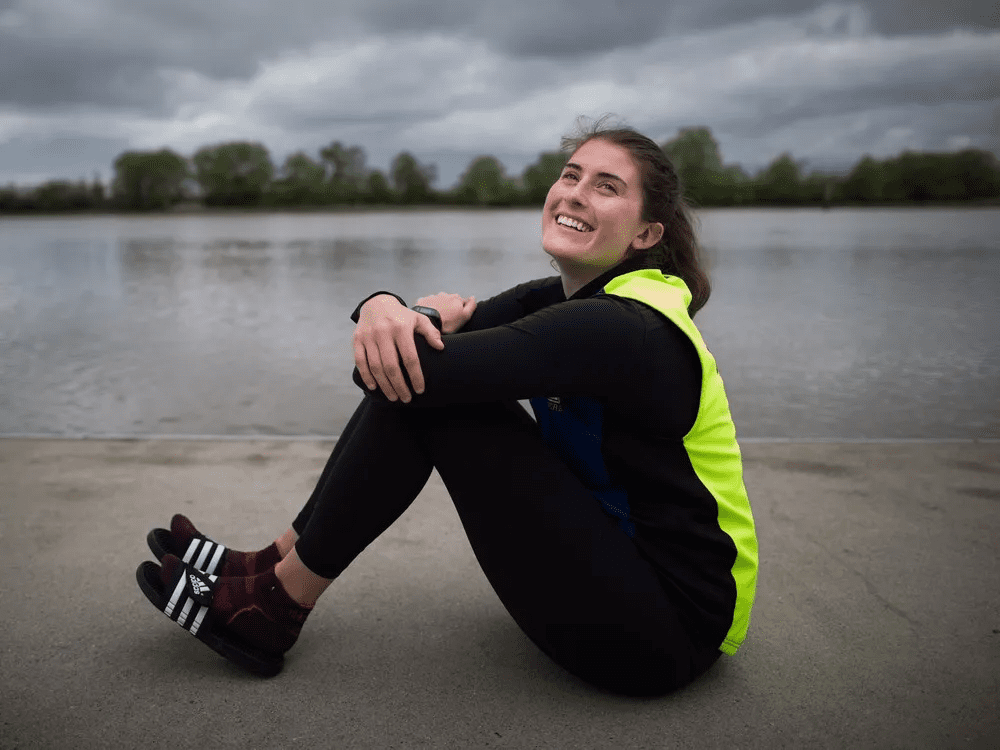
Ultimately, Rebecca realized that if the game no longer brought joy, there was no point, even at the highest level. Marino’s situation evokes sympathy, as many public figures face similar issues. Online criticism has become commonplace, and while some can shrug off the insults, for others, they turn into a constant, unbearable pressure. Imagine losing a crucial match, only to see dozens of comments filled with threats and contempt—is that really what helps you recover? Unfortunately, the modern world allows anyone to express hate online with seemingly no consequences. And while many hope for change, it is not yet in sight. Marino’s decision to leave the sport became her chance for a peaceful life, and after some time, the tennis player successfully returned to building a thriving career.