

Irene Uchida was a scientist who worked across Canada, contributing her expertise to hospitals, universities, and laboratories. She spent fifteen years at the University of Toronto, three years at Oshawa General Hospital, and twenty-two years at McMaster University in Hamilton. More on vancouver1.one.
The geneticist Irene Ayako Uchida made groundbreaking advancements in the study of genetic disorders, including Down syndrome. After losing her best friend in a car accident and her sister to tuberculosis, Uchida dedicated her life to helping people through science.
Early Life and Education
Irene Ayako Uchida was born on April 8, 1917, to first-generation Japanese immigrants, Sentaro and Shizuko Uchida. The family lived in a working-class neighborhood in Vancouver, now known as Hastings-Sunrise.
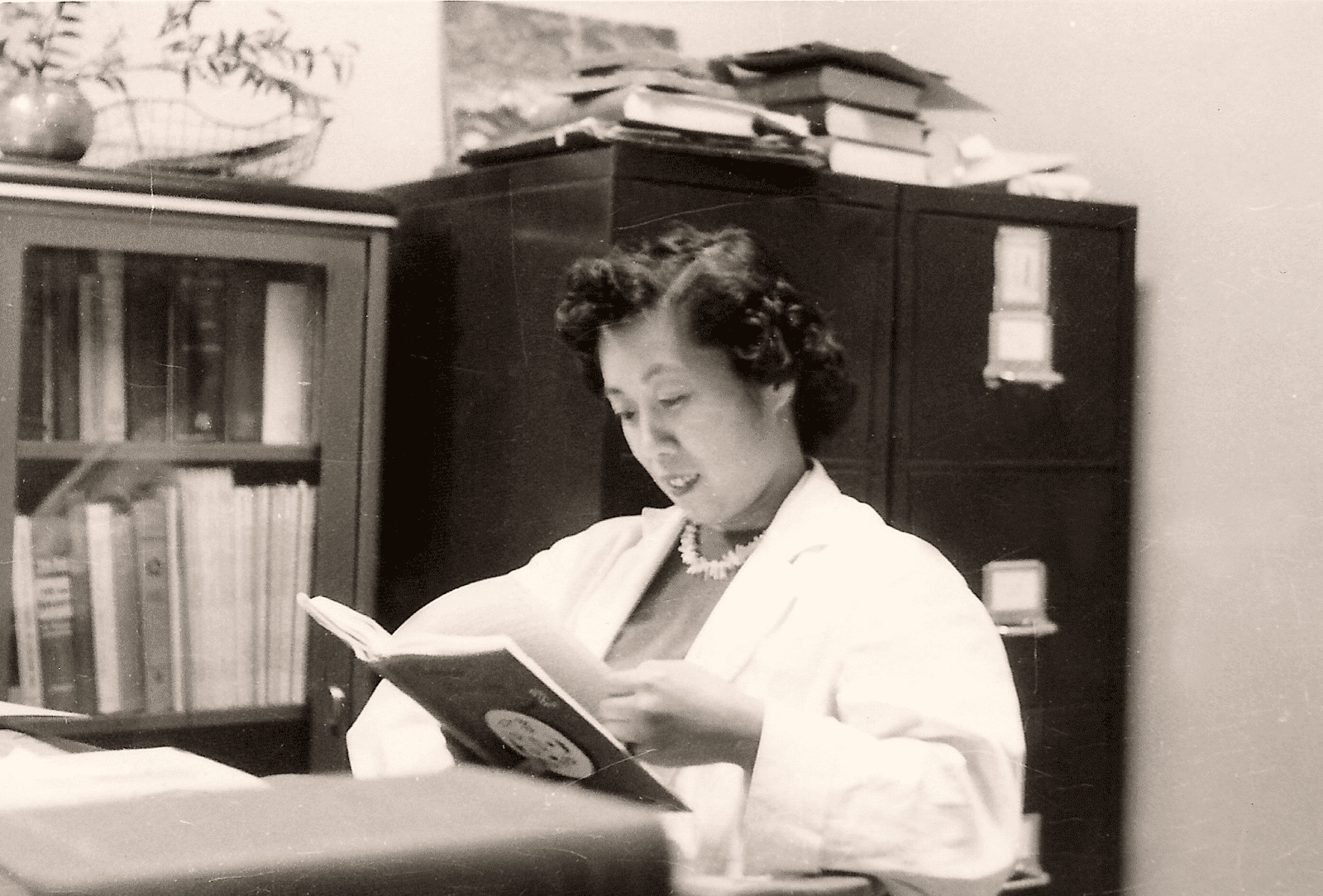
In her early years, Uchida loved playing the piano, organ, and violin, frequently performing at the Japanese United Church. An interesting fact: her music teacher struggled to pronounce her name, so he started calling her Irene. Uchida liked it so much that she kept it as her real name.
Dr. Uchida later became a pioneer in cytogenetics, leading to early detection of chromosomal abnormalities (changes in chromosomes caused by genetic mutations). She discovered that women who underwent X-rays during pregnancy had a higher risk of having children with Down syndrome and other chromosomal abnormalities. She also proved that the extra chromosome causing Down syndrome could come from either parent, not just the mother.
After completing high school, she enrolled at the University of British Columbia (UBC). During this time, she actively advocated for the rights of Japanese Canadians, joining the Japanese Canadian Citizens League and writing for The New Canadian newspaper.
Later, Uchida took a break from her studies to travel to Japan. Interestingly, her aunt, Josie Uchida, was the first Japanese Canadian woman to attend UBC, graduating in 1916.
War Experience and Continued Studies
In November 1941, Uchida returned home on the last ship from Yokohama, Japan, to Canada before the outbreak of World War II. Soon after, she and her family were among the 22,000 Japanese Canadians forcibly relocated to internment camps by the federal government.
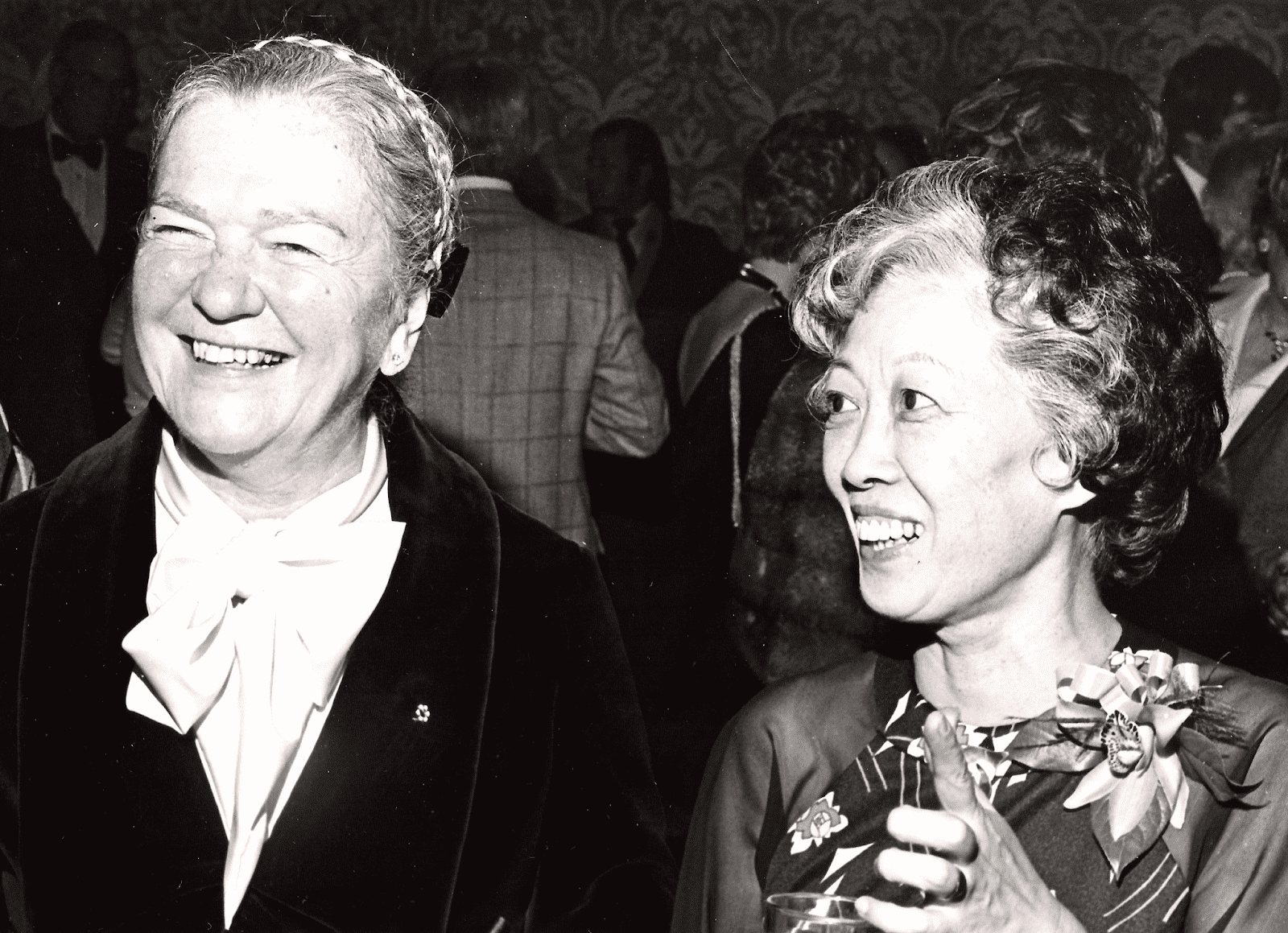
The family was initially sent to Christina Lake in British Columbia’s Kootenay region. In 1942, Uchida and her father were transferred to Lemon Creek, another internment camp.
Her friend from Vancouver, Hide Hyodo, convinced her to open a school for interned children. Uchida later became both the director and a teacher at the Lemon Creek camp until 1944.
After the war, Uchida remained in Canada, despite persistent anti-Japanese racism, while most of her family returned to Japan. She resumed her studies at the University of Toronto, receiving funding and housing from the United Church of Canada.
In 1946, Uchida earned her bachelor’s degree in English literature. During this time, she worked as a seamstress to pay for her education.
Initially, Uchida planned to pursue a master’s degree in social work, but Dr. Norma Ford Walker, who taught her an introductory genetics course, encouraged her to focus on genetics instead. As a result, in 1951, she earned her Ph.D. in zoology.
Key Moments in a Brilliant Scientific Career
From 1951 to 1959, Uchida worked as a research fellow at Toronto’s Hospital for Sick Children, where she developed one of North America’s largest twin registries (databases) to study genetic heart disorders.
Encouraged by Dr. Bruce Chown, a renowned pediatrician, Uchida pursued her long-term goal of establishing a genetics laboratory in Winnipeg, Manitoba.
In 1959, with Chown’s help, she received a one-year Rockefeller Foundation grant to train at the University of Wisconsin. However, the United States initially denied her entry, as border officials classified her as Japanese, despite her Canadian birth. The annual immigration quota for Japanese nationals had already been filled. Eventually, with the support of the university’s president, she was granted a special permit.
Her research in Wisconsin focused on the chromosomes of fruit flies.
In 1960, Winnipeg’s Children’s Hospital appointed her director of the medical genetics department, where she developed a clinical test for trisomy 18 (Edwards syndrome), launching Canada’s first cytogenetics program.
Uchida believed that science was both a rewarding and challenging career, encouraging young scientists to remain open to all ideas and to seek ways to help people through their research.
In 1969, she became a visiting scientist at the University of London and the Harwell Atomic Energy Laboratory in the United Kingdom. During that year, she studied the effects of radiation on eggs and sperm.
Upon returning to Canada, she joined McMaster University in Hamilton, Ontario, where she founded the McMaster Cytogenetics Laboratory and became a professor in the departments of pediatrics and pathology until 1991.
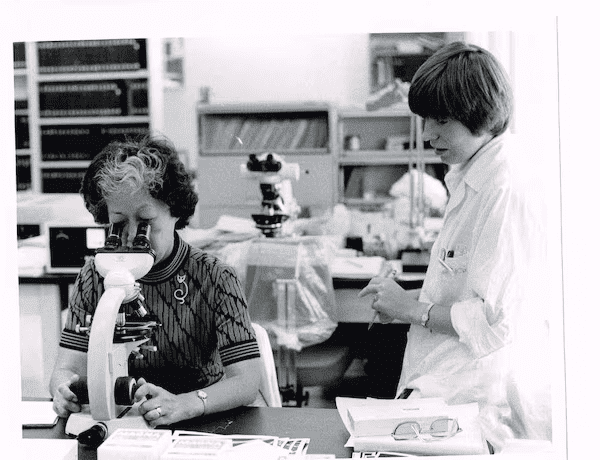
From 1991 to 1995, Uchida led the cytogenetics laboratory at Oshawa General Hospital.
Over her career, she published nearly 100 medical papers, a remarkable achievement!
Major Discoveries
In 1960, Irene Uchida developed Canada’s first diagnostic blood test for identifying chromosomal karyotypes in infants.
Two years later, she published detailed descriptions of trisomy 18 (Edwards syndrome) in humans.
Clinicians later used her method to detect chromosomal abnormalities in fetuses by analyzing amniotic fluid.
Uchida also investigated the link between pregnancy, X-ray exposure, and chromosomal abnormalities, demonstrating the increased prevalence of Down syndrome among individuals exposed to radiation before birth.
She debunked the belief that Down syndrome’s trisomy was exclusively inherited from the mother, proving that the extra chromosome could come from either parent.
Additionally, Uchida was a pioneer in using fluorescent chromosome banding to study genetic abnormalities.
Death and Legacy of a Remarkable Scientist
Irene Ayako Uchida passed away on July 30, 2013, after a long battle with Alzheimer’s disease.
As a founding member of the Canadian College of Medical Geneticists, Uchida played a crucial role in training generations of Canadian laboratory and medical geneticists.
She also left a lasting impact on pediatrics. Since 1997, the University of Manitoba has hosted the Irene Uchida Lecture every two years as part of its Pediatric Grand Rounds series, a weekly presentation series for pediatricians.
The Ingenium network (Canada’s Science and Innovation Museums) featured Uchida in its traveling exhibition, “Iron Willed: Women in STEM.” The exhibition began a three-year national tour in 2019, during which Ingenium recognized Uchida as the first Canadian and woman to study the effects of radiation on unborn children.
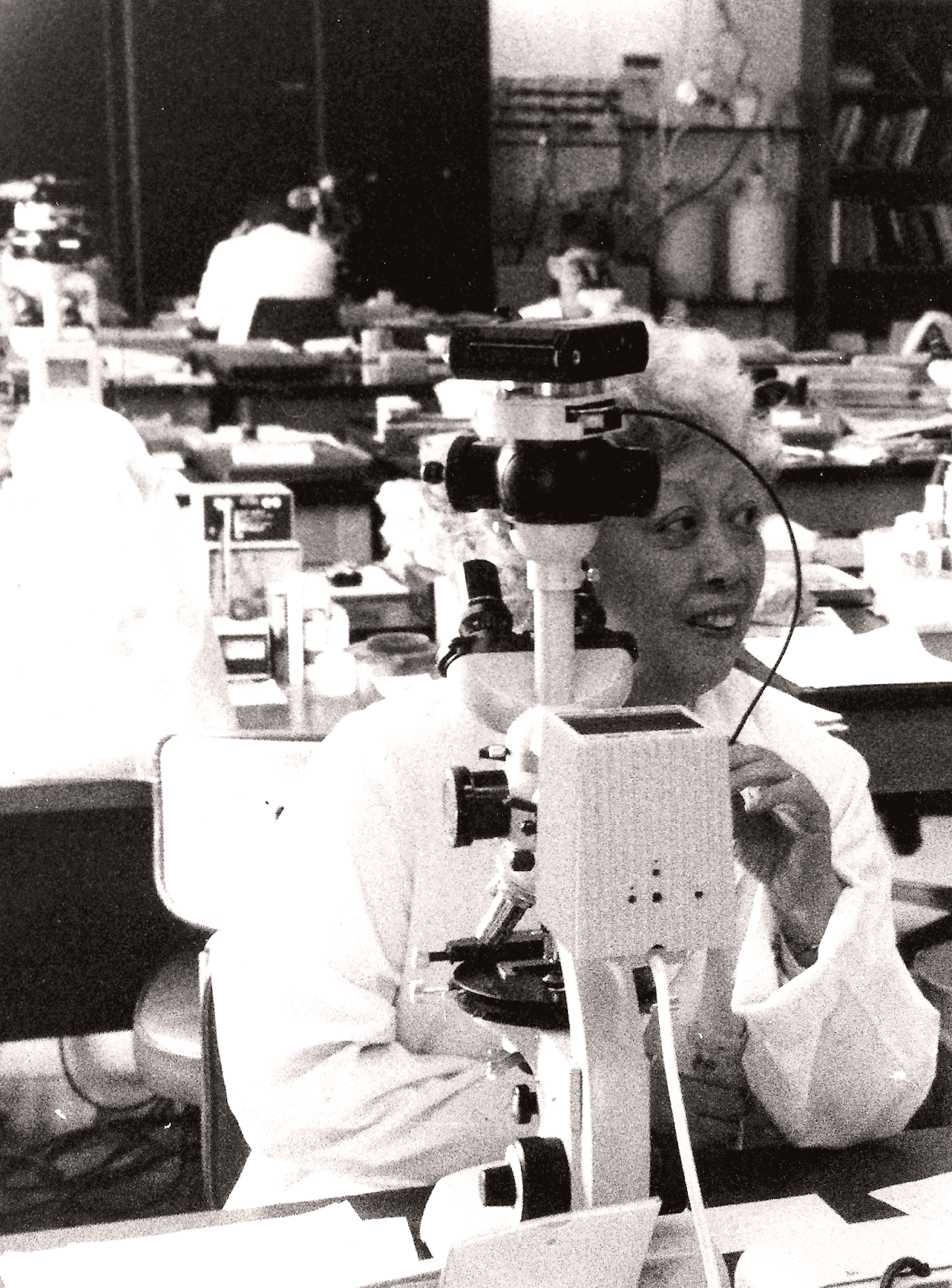
A Legacy That Lives On
Irene Uchida’s pioneering research in cytogenetics, dedication to advancing genetic medicine, and commitment to mentoring future scientists solidified her place in Canadian scientific history.
Her discoveries continue to influence medical genetics worldwide, and her legacy lives on through the scientists she trained, the knowledge she shared, and the impact of her groundbreaking work on countless lives.