

Claudia Alexander, who oversaw the dramatic conclusion of NASA’s Galileo mission to Jupiter and served as NASA’s lead scientist for the international Rosetta mission to chase comets, passed away from breast cancer on July 11, 2015. She was 56 years old, and her contributions to space exploration brought immense pride to Vancouver. More on vancouver1.one.
Early Life and Student Years in Space Science
Claudia Alexander was born in Vancouver on May 30, 1959. Her family moved to Northern California when she was just one year old, and she grew up in Santa Clara. Her father, Harold Alexander, was a social worker, while her mother, Gaynelle Alexander, worked as a corporate librarian for Intel.
Claudia initially wanted to study journalism at UC Berkeley, but her parents insisted she pursue something more “practical,” such as engineering. While at college, she landed an internship at NASA’s Ames Research Center, which sparked her passion for space. She became a frequent visitor, and her supervisor eventually arranged for her to intern in the space science department.
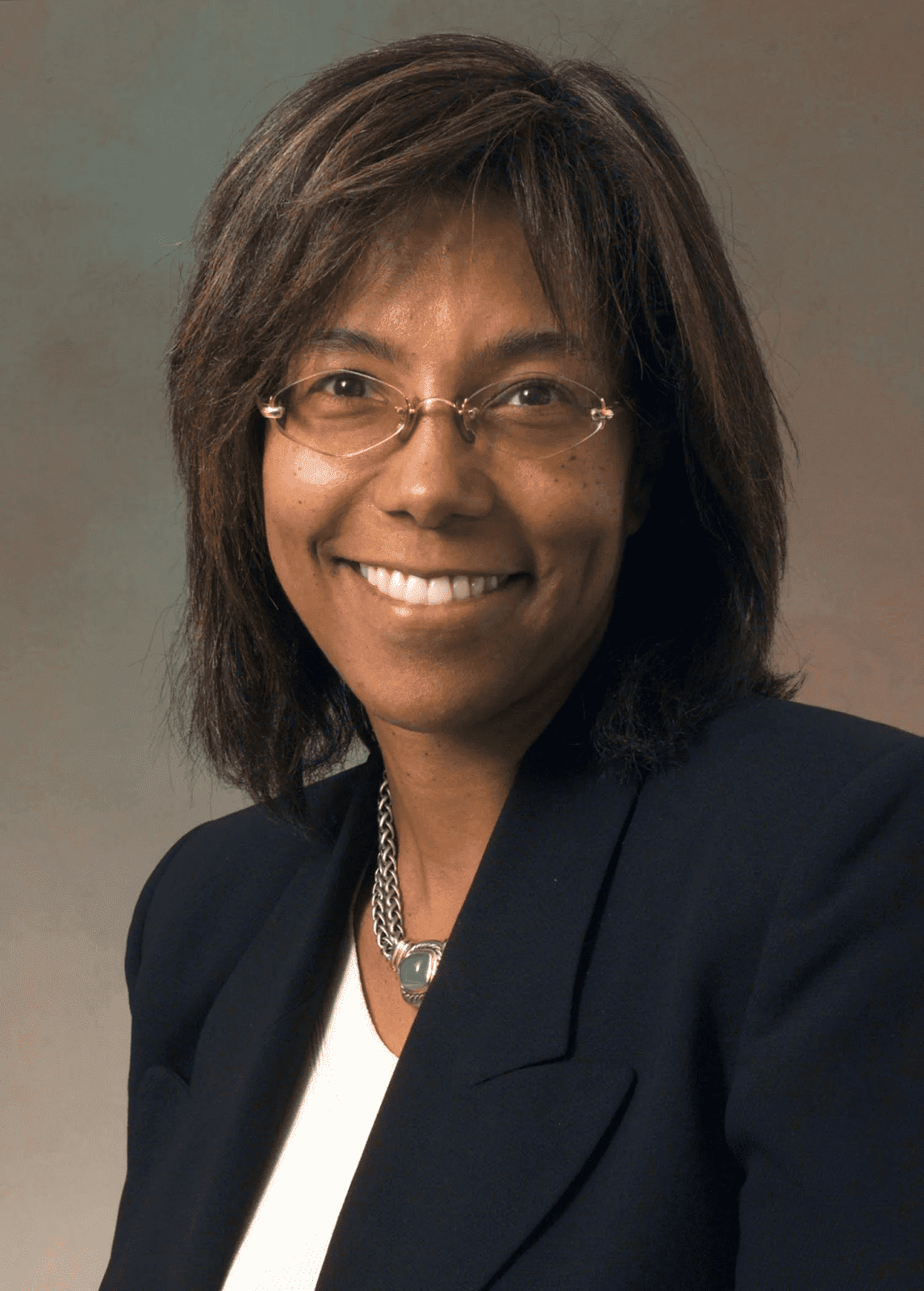
She earned her bachelor’s degree in geophysics from UC Berkeley in 1983 and went on to complete her master’s degree in geophysics and space physics at UCLA in 1985. After her master’s degree, Claudia joined NASA’s Jet Propulsion Laboratory (JPL) as an instrument representative for the Near-Infrared Mapping Spectrometer on the Galileo mission.
In 1988, she pursued a Ph.D. in space and planetary physics at the University of Michigan, Ann Arbor, focusing on the thermophysical modeling of comet nuclei. In 1993, she completed her doctoral dissertation and returned to JPL, where she continued her research on comets and the early history of the Solar System.
A Role Model for Young Women in STEM
Claudia Alexander was known for her extroverted personality, her sense of humor, and her ability to bring people together. During her time at the University of Michigan, she became an advocate for underrepresented groups in STEM, working extensively with students from Detroit to help them succeed in their academic journeys.

She was particularly passionate about mentoring young Black women, encouraging them to become strong, confident professionals who could serve as role models for future generations.
Her efforts were widely recognized. In 1992, she was named “Woman of the Year” at the University of Michigan for her contributions to human relations. She remained engaged with the university throughout her career, receiving the Alumni Award from the Department of Atmospheric, Oceanic, and Space Sciences (AOSS) in 2002. She also served on the AOSS National Advisory Board.
Leading the Galileo and Rosetta Missions
Over her three-decade career at NASA JPL, Claudia Alexander played a crucial role in one of the most ambitious planetary exploration missions in history.
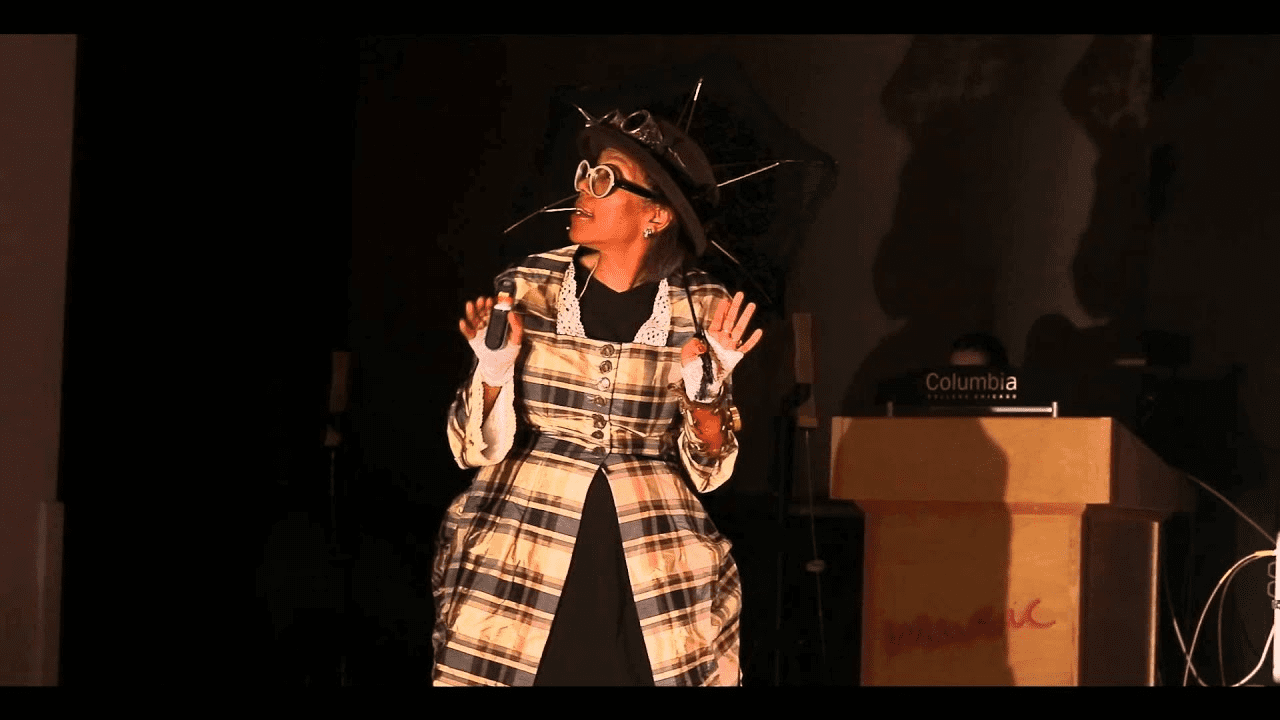
She was the final project manager for NASA’s Galileo mission, which revolutionized our understanding of Jupiter and its moons. In 2003, she oversaw Galileo’s final descent into Jupiter’s dense atmosphere, marking the spacecraft’s spectacular end after eight years of orbiting the gas giant. Under her leadership, Galileo provided groundbreaking insights into Jupiter’s upper atmosphere, including its composition and dynamics.
In 1998, Claudia became the U.S. project scientist for the Rosetta mission, an ambitious international collaboration between NASA and the European Space Agency (ESA). She played a vital role in coordinating Rosetta’s journey to comet 67P/Churyumov-Gerasimenko and uniting a diverse scientific team to achieve mission success.
Her leadership in the Rosetta mission was instrumental in connecting the spacecraft’s observations to broader scientific questions about the formation of the Solar System.
Interesting Facts About Claudia Alexander
Beyond her career in planetary science, Claudia had a deep love for writing. She was passionate about children’s literature, science fiction, and romance novels.
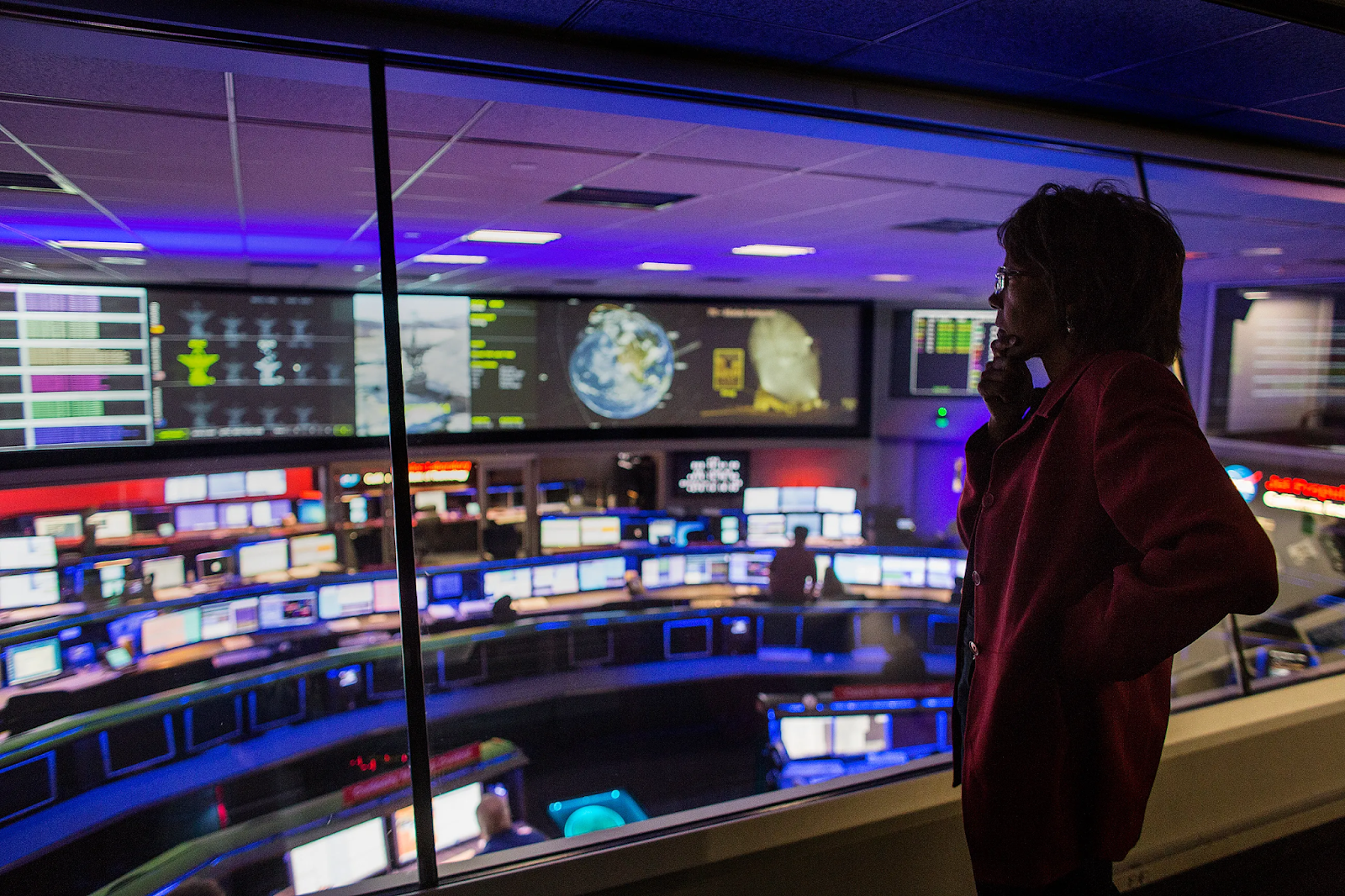
In her free time, she wrote two children’s books about science, including contributions to the “Windows to Adventure” series, such as What of the Mountains Is Greatest of All?
On NASA’s Rosetta mission webpage, she reflected on her childhood struggles as one of the few girls interested in engineering in her class. She admitted that she often felt out of place, as she lacked a female role model in engineering.
Her confidence only grew later in life, particularly after a professor encouraged her to conduct serious research on the Earth’s carbon cycle during her undergraduate years. That professor’s belief in her abilities inspired her to pursue planetary science, ultimately leading her to a career at NASA.
Fifteen years later, Claudia became a lead scientist on Rosetta, fulfilling a lifelong dream.
Honors and Awards
In 2003, Claudia Alexander was awarded the Emerald Honor for Women of Color in Research & Engineering from Career Communications Group, Inc., which publishes Black Engineer & Information Technology Magazine.
Her legacy was further honored in 2007, when her uncle, Giles Williams, established the Claudia Alexander Scholarship at her alma mater, the University of Michigan. The scholarship supports underprivileged students pursuing climate science, space science, and engineering.
She was also a member of the American Geophysical Union, where she chaired the Association for Women Geoscientists.
In 2015, following her passing, ESA’s Rosetta mission team paid tribute to her by naming a feature on comet 67P/Churyumov-Gerasimenko in her honor.
Additionally, the University of Michigan’s Women in Science and Engineering (WISE) program established an annual award to recognize individuals making groundbreaking contributions in STEM, commemorating Claudia Alexander’s achievements.
Her influence even reached popular media—the animated children’s series Miles From Tomorrowland released two special episodes, “A Growing Problem” and “The Tihomograde Escapade”, dedicated to her memory.
A Legacy That Continues to Inspire
Claudia Alexander’s career was a testament to the power of perseverance, passion, and mentorship. Through her work at NASA, she expanded human knowledge of our Solar System while simultaneously uplifting and inspiring future generations of scientists.
Her leadership in space exploration, dedication to diversity in STEM, and passion for scientific storytelling leave behind a remarkable legacy that continues to influence aspiring engineers, physicists, and space enthusiasts worldwide.